Category Archives: Religion
Review: The Way of Wyrd by Brian Bates

The book The Way of Wyrd is a fictional story of a Christian Monk who is sent to learn the ways of the Anglo-Saxon pagans. The story is rich and entertaining. The author worked hard to research and present the information in a way that was informative and entertaining. By working the true beliefs of the Anglo-Saxon sorcerers into this work of fiction the author has brought back the use of stories to transmit knowledge and information.
The book is actually in two parts. The first part focuses on the early aspects of the Monk’s training. Here the monk is very skeptical of all the powers the sorcerer claims to work with and hold. While he works hard to learn all he can learn, Brand (the name of the monk) never really believes the ways of the people or that the powers are real.
In this part of the book the author introduces the basic beliefs of the people. The story actually opens with Brand working with Wulf (the sorcerer) at a healing ceremony banishing an evil spirit. This powerful start to the book illustrates a few of the key practices and beliefs that Brand is exposed to as he begins the training. This ceremony is set after he has completed his journey so we see here that Brand has much to learn and yet he was open to them.
In this first part of the book Brand is highly skeptical of the beliefs and practices. There are some that even scare him. Though he is fascinated with the tales of the Gods and of the spirits he does not appreciate their real value aside from primitive beliefs and practices.
The first powerful ritual that Brand is exposed to is an example of his difficulty in attempting to switch worldviews to learn the beliefs and practices. Here Brand is taught about gathering power from plants and how to properly gather the plant and give it an offering.
Other powerful rituals are experienced in this section. Here the author also goes into reading the omens of nature such as the flight pattern of birds and the way fish swim. The largest concept of Germanic paganism introduced here is the concept of Wyrd and knowing how to read and work with Wyrd.
The final experience in this section of the book Brand has is watching Wulf heal an elf shot horse. When Brand declares the process a fraud Wulf knows then that he must make Brand experience these forces or the mission to learn their ways will be a failure. The experience at the farm and Brand’s declaration of being a fraud.
In the second part of the book Brand is forced to encounter the shamanic aspects of Germanic paganism. Here we learn about spirit flight, how our spirits can be stolen, and how to work a soul retrieval in the practices of the Anglo-Saxon sorcerers.
The authors use of the narrative story teaches several elements of Germanic paganism. There are tales of the Gods taught, beliefs about plant lore explored, beliefs of the soul, and much more. The book provides through the story a basic concept and outline of many main beliefs found in Germanic Paganism as well as in Traditional Witchcraft, Anglo-Saxon shamanism, and much more. This book was well researched and written allowing a student to learn concepts in a way that non-fiction books may not be able to portray them.
Review: The Reiki Guidebook

The author Sasha Vivelo is clearly well informed about the practice of Reiki. This book The Reiki Guide provides what you need to know in order to understand Reiki. The author even provides some information and meditations which may possible allow you to attune to and become a practitioner of Reiki as well.
The Reiki Guidebook is divided into two parts. These two sections cover the first two degrees of Reiki material. These sections each provide a mixture of personal experience, exercises to try, and practical information. These two sections provide enough information for the reader to be able to start doing some energy work on themselves.
The first section covers the first degree material for Reiki which is the basic hands on aspects to the treatment. Here the author covered theory, practice, history, and what the three degrees of Reiki are. This section even includes a point by point guide for laying your hands on the person receiving the treatment.
The two most interesting sections in the first part of the book are the chapter on the atunement process and the chapter on further Reiki practice including how to treat small children, animals, and plants with reiki. In the chapter on the atunement process while the author does give an exercise for a personal atunement so you can practice on your own with your family and friends, the author does say that nothing can replace the in person atunement process given by a Master.
The second part of the book covers the material for the second degree of Reiki training. In this section you are given tools to treat family, friends, and many other people at a distance. You are even shown how to create and use the symbols associated with Reiki work. This part of the book also gives you an idea of how you can continue to give reiki treatments for extended time periods at a distance and even to yourself.
The most interesting chapter in the second part of the book was the section that dealt with using Reiki to aid in the transition from this life to the next life or from life to death. Here the author shared a few different experiences with her own end of the life work with her family members as well as with other people. We learn how Reiki can be beneficial in those with terminal illnesses by helping them manage the pain, and be more at peace with the world in general.
The combination of personal tales and experiences, the practical application, exercises, and the philosophy associated with Reiki makes this a very valuable book in anyone’s collection. For those who are interested in Reiki it gives you the tools to explore Reiki on your own before taking a formal plunge into the practice with your own Master.
Pagan Blog Project: E is for Effort
Once again we have a weekly post for the Pagan blog project. This weeks topic is all about spiritual development and practices. Its about why they call it working magic and working rituals and not just reading the material. Today we are going to talk about Effort and why Effort is so important.
Effort in spiritual studies
This is a lesson I have learned myself. Spiritual development and the development of spiritual and magical skills are like every other skill set and practices. You need to actually work at them and practice them to develop them. You can read the theories and some of the exercises and gain a type of knowledge. When you actually want to make the changes you need to do the actual exercises and work in order to have the experiences.
I’m saying that you need to put effort into the work. You can’t just do a meditation once and get everything you need out of it. You cant just do a practical exercise a handful of times and expect to get anywhere spiritually. In order to really have mystery experiences with spirits and to really develop skills in meditation and mental focus you need to put in effort.
The more effort you put into your spiritual development the stronger your outcomes will be. The more time you put into development of your skills the sooner you will be able to see results. There is a lot of work in spiritual development. In many places you will have to face your darkest sides and deepest fears. This is hard work. This is why it is important to put your all into it.
Often there are meditations to meet Gods and Goddesses. The more often you do those meditations the more you will learn from them. The deeper your relationships will grow. These are part of how mysteries are experienced and spiritual truths are found. If you only do the meditations a handful of times your relationships will not be as deep as they could be.
Putting effort into your practice and into your studies is going to pay off in the long run. The better you are at learning to enter a meditative state eventually you will be able to achieve the state any where and at any time by using physical triggers. You will also be able to manifest thought changes instantly and be able to know how to train yourself to shift one emotional state into another through working vibrations and other techniques.
Pagan Blog Project: A is for Angels
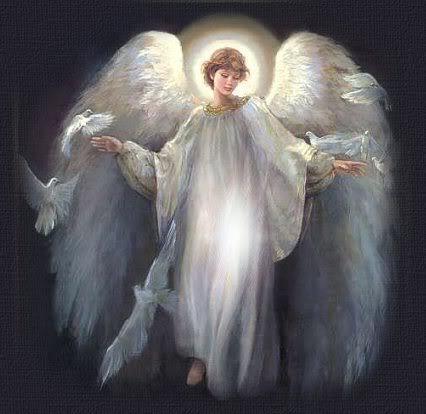
What are angels? This is a question I have found myself asking myself recently. I once believed that I knew exactly what angels where. Then I heard conflicting stories of them being servants of only one specific God, the God of Christianity, Islam, and Judaism and there for bound to only help and work with those who follow Yaweh/Allah/Jehova. Other people claim that they are simply servants of divine forces and are not limited to a specific set of religions or religious beliefs.
I personally believe angels to be servants of the God Jehova/Allah/Yaweh. Other Gods do have servants or minor Gods that work as messengers and intermediaries between them and humans but I don’t necessarily believe they are angels. That being said I believe that so long as there is a connection in your life to those three religions (Christianity, Islam, and Judaism) they will help and work with you. This connection could be continuing family celebrations, a belief in them, and or a belief in Jesus or that God as a God just not the only God.
I have always held a belief in angels. Though I have not worked with them since the early years on my path as a witch. I knew others still worked with them magically through enochian magic, ceremonial magic, and at times Hoodoo. These three magical traditions are associated with Christianity and angelic magic and angelic work for spiritual practices as well as magical practices. Now I have started to work with angelic forces again.
If you want to work with angelic forces and angelic spirits you simply need to be open to their force. The force that angelic spirits are made up is pure unconditional divine love. If you have any sort of connection in your life to the three paths of Abraham you can work with these spirits. You just need to open yourself up to working with them. They will make themselves known to you.
Pagan Blog Project: E- Entheogens
We live in a world filled with a rather large variety of plants and animals. Learning about them and their lives is a fun and exciting thing to do. Working with the energy of plants and animals is something that witches do. Lately I have noticed a trend of people looking away and wanting to throw away some aspects of religious and spiritual traditions. The one aspect I see people ignoring more than others is the use of substances in spiritual and religious practices. This is something I personally want to preserve and keep around.
So today’s post is going to be on the use of Entheogens in spiritual and religious practices. As this is my personal blog I feel free to discuss this topic here. On my other blog (Seeker sight) I focus on topics and posts that can help beginners find their paths. I focus there for on subjects that are appropriate for people just starting out in their spiritual path. For me the practice and use of Entheogens even as a curious study and exploration is not something that a beginner needs to read or worry about So it gets posted here.
Entheogens:
Using substances to experience Gods and spirits
As I mentioned the use of substances in ritual to achieve a trance state where one can engage with spirits and Gods effectively is a practice traditional among many different cultures. Different cultures have different substances that they use to engage in spirit flight or spirit activity. The various tribal shamans and witches who use these substances are instructed on their use by their masters and their teachers as well as by the plant spirits themselves.
Before I begin to describe an explain why some people may engage in the use of Entheogens let’s look at exactly what Entheogen as a term means and why the uses of these varied herbs is so successful. If the technique and uses didn’t work people would not continue the traditional practices. So they do work for a reason. Lets see what that reason is.
In his book Hedge Rider Eric De Vries defines Entheogens as:
Entheogen means bringing forth the God and is the name used for herbal substances that are used for spiritual and or magical purposes. The important thing to remember is that entheogens are rarely used for recreational purposes. Not because they have limited effect, but because they aren’t really fun
This definition right here says all that needs to be said. Entheogens bring forth the experiences of God and spirit. They are used ritually to create a trance where they can experience, interact with, and work with the force of God. Each herbal substance is going to be different and have different effects on the mind and the body. For this reason it is important to study the substances and their uses. It is also practical to actually be instructed by some one who engages in this practice. Some herbs can be very dangerous if not handled and processed properly.
At the end of the statement about not being used recreational De Vries makes a very good point. Entheogens are not used recreational. Its not that they don’t have an effect that people enjoy or can get use out of. That’s not the issue at all. The issue here is that the experiences are not “fun”. Its not something to do because you are bored. Entheogens are sacred and using them in recreational ways takes away the sacred.
In order to effectively work with the entheogen and the God force you need to work hard to establish a specific mind frame for the work. You need to train yourself to be sensitive to spirits, to calm your mind, and to be able to visualize the experiences with the Gods or spirits. Its difficult to train your mind.
The other thing is that there are some entheogens that take a lot of time and energy to prepare. One of the legendary entheogens associated with witches and witchcraft is the famous flying ointment. This was a salve that the witches spent a long time crafting and making. When the herbal mixture was applied to the body astral travel and spirit work could commence.
Sometimes these mixtures contained deadly herbs. Most of the flying ointment recipes we have found scraps of related to traditional witchcraft involve herbs like belladonna, wolfbane, nightshade, and yew to name a few. The actual recipes and proportions have long been lost. Crafting the flying ointments of the past traditional witches with those herbs is dangerous. This is why today softer and calmer herbs are used in modern flying ointments.
Today there are other more effective herbs that we know cause the same effect as the herbs mentioned above and are safer and better known. While I personally find the past recipes interesting and worth study, and I would watch some one make them, I personally have no interest in working with those. I have found other herbs give me just as powerful of a trance state while being safer. These are also herbs I have studied and done other work with.
My experience with entheogens comes in the form of herbal smokes. I have worked with catnip, mugwort, and Capillaris Herba
Artemisia capillaris also known as Yerba Lena Yesca. My smoke blend currently has a mixture of all of them for a balance. When I smoke this blend my awareness of my mental state increases. My sensitivity to smells and surroundings increases. I can through this also have more control over my awareness and more easily reach an out of body astral state for communication with spirits and deities.
Entheogens alone do not make the experience work though. I also use mental training as well as incenses, sound, lighting, and seated position to engage in trance work. The entheogens give me easier access to these mental states and often allow for more clarity of experience and extended experiences. I am relaxed which allows the trance states to come more naturally. This is also why they last longer.
Entheogens for me are one tool that I have in my bag for working with spirits. I have found it to be an effective tool. I do not smoke the mixture outside of doing some sort of spiritual work. The mixture was crafted and blessed for that sort of work and to use it on anything else to me is a waste of the mixture. It also takes away from the sacred ritual of the preparation, the working, and the blessing that comes with its use in spiritual work.
For years I was interested in the use of substances in spiritual practices. I was well aware of the use of peyote in a Native Church. I was also aware of the fact that shamans and spirit workers for centuries had engaged in this sort of spirit work. I was interested in the use and workings of substances in ritual. I was afraid of trying it, and it also felt taboo. All of the books and websites I had read on my spiritual path had all said that substances of any sort were not a part of witchcraft at all and anything saying such should walk away from that material.
There has been a trend in the modern new age and spiritual practices to discount any experiences had under the influences of any sort of substance. There have been arguments made that today we can leave those tools and practices behind us as we have other less damaging methods of gaining trance. They also claim we have a better understanding of the mind and mental processes today and through that we have learned how to get in and out of these trance states at will without the use of substances.
While all of what they say about mental processes and the ability to get in and out of trance at will without substance use today is true, it doesn’t mean that there is anything less spiritual about experiences under substances. They are sacred plants and it is a sacred tradition for many cultures. I see no reason to ignore this aspect of spirit world work traditions. I have simply chosen to work a combination of the ancient traditions and modern work for effective means of contacting spirits and doing spirit world work.
The use of all aspects of plant medicine and plant properties has always been a part of magical practices. I see no reason to change that now. To ignore traditions and valid ways of gaining knowledge and experience for me is to ignore an aspect of the practices and cultures I have studied that was sacred and important to them. If I am gaining spiritual guidance and inspiration or influences from these cultures and practices I need to be informed of all aspects of practices associated with the cultures.
So I stand outside of many people with this view on entheogens and substances. I know that and I accept that. For me I know that not everything I do and study will appeal to everyone. Not everyone will feel the same way about things as I do, and they don’t have to. So long as no one tries to stop me from using legal herbs in my entheogen work I have no problems with their objections to my use.
Pagan Blog Project: A-Altar management
One of the things that I have been lacking in my practice is proper altar maintenance and management. Now what is altar maintenance? Not to mention what is altar management? Well that depends. There are many things that it can mean. It can be as simple as remembering to pray there regularly to build up power. It can be washing the items on the altar regularly so that dirt or dust don’t accumulate. It can be many different things. Proper altar maintenance is part of establishing a healthy spiritual practice with regular applications in daily life.
For myself altar maintenance actually means all of those things I mentioned and more. For a long time I have had my altars set up as a part of my house decoration. I would nod at them in the morning occasionally as a reminder that each day is a gift from the Gods but aside from that they weren’t used often. Seeing the altars set up did make me feel connected to my spirituality so it did serve a purpose but I wasn’t letting it serve its main purpose which is to serve as a focal point for workings with the various spirits that I work with.
I have lacked altar maintenance. Altar maintenance would be cleaning the dust off the altar. Making sure that there is fresh water daily for the spirits, cleaning the altar cloths on a regular basis, bathing the statues ritually, cleansing and consecrating the place on a regular basis. These are all little ritual items that I could have done and should have done on a regular basis that not only would build my connection to my spirit allies but would also keep my spirit soaring.
Altar management for me is a bit more complicated than that. Altar management is the actual use and working of an altar. Here we have decorating for rituals and sabbats, we have performing offerings, prayers, and magical workings. All of these things are part of altar management.
This is yet again and area that I have lacked in my spiritual progress and development. I rarely decorate the altars for the sabbat or esbat at hand when I do work those rituals. I haven’t been good about praying at my altars as a regular communication practice and as a way to build a relationship with them. Nor have I been particularly good about giving them offerings either.
Altar management is also for me changing the altars around periodically. For me it is about really letting the Gods and spirits know what sort of items they want on their altars. Each spirit and altar is going to be different so its important to make them all unique. So if the Gods and the elements tell you to use one tool over another in ritual and on the altar that is altar management.
Most of my magical workings are not done on my altars but on any space I can find. The only times they are is when I am typically doing a healing work of some sort and need the assistance of my guides and allies. Then I work at my altar and pray. The rest of the time its not done at my altar. Though I may occasionally burn the incenses I have made on them. Working magic on the altars would also be a way of deepening spirit contact and relationships.
These two things that seem simple are things that I have been lacking in my life. These are also things that I have been working on correcting in my life. For me right now I have a goal of working on developing a more consistent daily practice of my path. I am really working to integrate my beliefs and my studies into everything I do part of every day. Its a challenge but its been worth it.
The first real thing for me has been developing my new ritual room and ritual space. There is still some more work I would like to do and things I need to get. For now though it really looks like a sacred space or at least a place for performing and working various rituals. Part of getting this room set up was finally getting the altars to where I like them and what I want to do with them.
In setting up my ritual room I now have a place to perform daily rites and workings with spirits. So now I can really work on digging into my spirituality and developing those relationships. The first thing I am working on is altar maintenance and altar management. These two things can be worked on together by creating daily prayer and offering routines.
The first part of the maintenance though was in the creation of some new altars and some new sacred space for those prayer workings and ritual workings. Here now are the new altars and shrines I have created for my new ritual area.
The first altar I am going to discuss is my main working altar:

This altar is where all my actual worship of Gods and Goddesses occurs. On the wall there is a Pentacle with a Stags head for the God and a clay plate impression of a Goddess who is mother earth. These are on the wall to show the places of the God and Goddess as well as to form a background. In the center of the altar there is a birch wood circle which I use to hold the candle lit for prayers and devotions. In the back you can see my wand. My stang and my broom are on either side of the altar. This is set up and basically ready to go for any ritual at any time.
The next altar is my Dragon altar:

Here I am actually performing altar maintenance and management by burning incense for them and lighting a candle. You can also see how that altar is clearly focused on being there for the dragons. The incense that was offered was Dragons Blood. Dragons Blood is a favorite incense of many dragon spirits and they feed off its scent and love. I’ll get into working with dragons another time. For now I performed maintenance then by giving them an offering.
This is my ancestral altar:

Every item on my ancestral altar has importance to me. This altar is actually a new design. My original ancestral altar was much smaller and less formally organized. This altar on one side you see several different pictures. Those are the photos of my deceased loved ones. There is also a photo on there of my biological mother and her father. I don’t know if either one of them are still alive. The photo is there is symbolic of my ties to my blood ancestors so that they know they are not forgotten. The large goblet there is the chalice for them. It contains water I give them as an offering or any other liquid. The candle next to them is light and fire giving my prayers a vessel. The skull actually serves as a place for them to manifest during working rituals. The bottle of GlenLivet on there is a connection to my fiance’s grandfather. Finally the red tie across the altar comes from my grandmother’s robe. I use the red color to be symbolic of blood but also of spirit and all the ties and bonds that we share together.
The next two altars are works in progress. They will grow as my relationships with these spirits grow. I am also going to see about getting more storage containers like the one my Dragon altar is on so I can set up a few more altars and shrines. I feel I should set up one for my Norse God practices. I also sort of feel like there are other spirits wanting to work with me and have altars built for them.
This is my altar to the arch angel Micheal:

Micheal is the protector. He is also called the prince of heaven and is the leader of heaven’s army. This is why there is a sword on the altar. The candle is lit for is prayers. The candle also symbolises the element he is most often associated with which is fire. The water is there to offer him a drink. The plate is there for offerings.
This is my shrine for Moses:

The large staff there is going to be a conjure/hoodoo tool that I am making with the power of Moses. This staff will be used to call on his name and power in basically any rite that I would associate with him. The candles again serve as a place to show the prayers the water is his drink and the plate holds offerings of various forms.
You have now seen my altars. Part of my altar management now and altar maintenance now will be regular saying prayers at these altars. I will be offering fresh and clean water every day. I will wash the altars physically and make sure that they stay clean and fresh. I will in some way work at my altar each day building a relationship with the spirits therein.
Altar maintenance and management now to me is the simplest way I can work on making my religious and spiritual practices an active part of my day to day life. All in all it doesn’t take a lot of time. Its maintaining the practice, the sense of the sacred, and giving the time that becomes the issue in our lives. By writing this essay I have given myself some tangible tasks to do each day to work on my altars and with the spirits there in the altars.
Pagan Blog Project: Beginnings
The most common question I am asked is how did I actually begin my practice. I’m sure that you readers are now wondering the same thing. You have looked at your own beliefs. You have come to have a decision and a direction, and you have figured out your concept of the divine. Now that you have all of those choices and all that work done what do you do? You actually begin your practice.
Beginning Your practice
The first step on your path is to perform a rite of introduction to the Gods and spirits of your practice. By now you should have read a few books on the practices of the path you are taking. If you have a reference for this then that is great. If not I am going to give an outline for an introduction rite. Yes before you begin performing offerings on a regular basis it is important that you at least introduce yourself to the pantheon and the spirits you intend to work with.
Now it is important to note that an introduction rite is not the same as a dedication rite. That is something we can cover another time. An introduction rite is a more formal way of saying hello. You may have prayed and gave offerings before as part of your decision making. Thats good. Its a start. Now you are formally declaring your intent to study their ways and work with them. Before it was a “Hi this is for you if you want”. Now its more formal.
So what was the point of the ritual before hand if we are beginning with a deeper more direct ritual? This ritual is a step below actual dedication. You have not completely dedicated yourself to their service but you are basically promising to study their ways for a year or so. During that year you will perform rituals, pray, meditate, read, and reflect. If after your year of studies you have formed strong bonds and feel called to do further work on that path then you will perform a rite of dedication. For now a rite of introduction is still important.
What does this rite entail? It entails preparing yourself mentally and physically before the ritual. Its going to entail blessing the offering in their names. Its going to entail prayer and meditation. Its a very simple and basic ritual. However when you put all your emotions into the ritual you can find that even the smallest ritual gesture like lighting a candle with intent can produce substantial results.
The Ritual
Materials:
- Candle to represent your passion and your flame
- Note book to write down the ritual and any personal messages you get during the meditation
- Fresh soap for the ritual shower & your normal shampoo and conditioner
- Candle for the God and or Goddess
- if you are 21+ an alcoholic drink to share as a communion if not sparkling ciders are good
- Chalice
- An incense you find appealing
- Water
- Salt
Here is the rest of the ritual
Ritual Shower:
- Set the shower at as high a temperature as you can stand and get in.
- Begin to wash your body with you soap. Using the soap suds see the soap becoming all negative energy and all doubts from the day. See them coming from your body into the soap. Put the soap down and rinse your hands. Let the soap stay on your body for a moment and let it continue to absorb your negative energy and thoughts.
- Take your shampoo and lather your hair. Do the same thing you did with the body to your hair. This time focus on intense emotions and thoughts. Focus on stress and frustrations during the day. See those items become the suds in your hair.
- Rinse your hair and place the conditioner in it. Let the conditioner soothe those thoughts and feeling. Let the conditioner bring you a sense of peace and relaxation. Work that sensation all through your hair. Let is set for about five minutes.
- Stand in the shower in a position where your hair wont get wet but parts of you can. Start to rinse yourself off. As you start to rinse see the shadowy soap bubble run down the drain and fade away.
- After a few moment step under the shower directly and rinse completely, This time seeing everything run down that has not already gone away.
- Repeat the shower one more time. This time chanting “Water Water Wash Away. Water Water Cleanse today”
- End the shower. As you towel off wrap yourself up in a white light of positive energy. This will replace and replenish the energy that was removed through the cleansing shower.
Introduction rite:
- Get dressed and set up the altar or place for the ritual. Make sure you have a container for the water and a container for the salt as well as your offering of food and drink to the Gods.
- Mix a pinch of the salt into the water. You are making Holy water right now. As you mix the salt and the water see any impurities in the water be gone. See the water being filled with sacred light from the great divine forces out there.
- Light your incense
- Take the salt water and either in a circle or simply by sprinkling the water in the four directions dedicate the space as being sacred. Call upon any guards and guides as you see fit to witness this rite.
- Repeat the process with incense. Now you have consecrated the space with all the elements. Earth and water in the holy water and fire and air with the incense. The place is now set for spirits and gods to come and answer. At this point it is best to remain in the ritual area. You should only leave in an emergency situation. If you do say a quick prayer for exiting and a prayer for entering. Other traditions have other ways of entering and exiting the space in ritual but this prayer will work for now.
- Light the Candle for the God and Goddess (both or just one depending on what you had chosen to do)
- Call to the Gods. If you have read an invocation or prayer to them for calling them to a ritual now would be a great time to recite that work. Basically ask them to come with you now and to join the rite.
- Light the candle to represent yourself. State your intention to learn the ways of those Gods and their followers. State who you are and why you are serving and learning their ways. Promise to do your best to learn all you can and integrate what you learn into your life.
- Bless the drink and pour a drink for them and for you. Share this drink with them. You can praise them or you can silently meditate on their presence and the meaning of the rite. You should have an idea at this point if they are accepting of you and listening to you,
- When you are ready thank the Gods and the spirits for attending the rite. If you formally laid a circle or walked a circle you can release it now. If you just sprinkled some water and consecrated the ground by extinguishing the incense and the candle the space is being released. You can then extinguish the candles. You can pick up and put away. You may now say a final prayer of thanks and wishes for continued guidance as things get put away and cleaned up.
- Record the ritual in the notebook. Write down everything you did all your feelings and all your emotions. Write down what you think about what you did and how you felt before and after.
You have now formally introduced yourself as their student. You have now taken a step into letting the Gods lead the way and be your teachers. Now you just need to listen to what they have to say. You may find the lessons come in very strange forms and you may find that things come into your life for no reason after doing this. These actions are a result of your introduction and prayer manifesting. The Gods are listening.
Hoodoo Reflection-Theory and lore
After writing my blog post for last weeks entry in the Pagan Blog project I have spent some time going over the first instructional Hoodoo book I read. I actually wrote a review of the book and posted it several places online. I’m realizing now just how much correspondence information was in this book to start with. Now I am adding the information to a notebook. I’m writing down the recipes and the associations.
What I have just finished reading was a section on candle lore. There is still more to this section for me to learn and write down. I have candle colors and candle movements written down from this book. The next section I’m taking notes on is interpreting candle wax. It’s going to be a busy evening of writing down associations, recipes, and notes. However writing it in the notebook, then in my records and in an online types form will help me process the information better than I do anything else.
I’ve found the behavior of candle flames section of the lore and practice to be rather interesting. Its not something I had ever considered before in my workings with various types of fire. I may just start to be more mindful when I do more candle work. This section of the book has also made me realize that I definitely need to increase my stock of candles. I don’t have nearly as many non scented small working candles as I would like.
Well that basically consists of what I have done today for an exercise. I am going to do a bit more later on. There is still time in the day. It may be 5 in the evening but that still gives me plenty of time to do more studying, do a ritual or a working. It even gives me time to do other things as well.
As I work through the chapter in the Hoodoo book on elemental magic I realize I have a lot of new ideas to work with in connection to my work with elemental forces and magic. I have always loves working with elemental magic. All of the spells I write are typically based on working magic based on a single element or maybe more based on the context. Now I have several new ideas to consider when working elemental magic.
I know that the incense list, the water list, and even some of the color symbol lists in this book is not complete. I also know that it does not represent all of Hoodoo. I do know that these specific items I have found have given me many different concepts and ideas to work with. I for example never considered looking at the behavior of candles when I work magic with them as a part of understanding if the spell is going to work or not. I also have never really considered the practice of working with dirt or earth from various locations until now.
I am grateful that I have all of these opportunities to develop my own magical theories and practices through the exploration of several different systems. I had been using some concepts found in Cunningham’s two elemental magic books for my spell work as well as the idea of ribbons and tying knots for magic. Now I am exploring other traditions and styles of working magic.
I know with Hoodoo that I have a lot to learn. I also know I should look at my own motives for wanting to learn and practice this style of magic. I have some ideas for why I might be interested but I am not sure if they are enough at times to be honest. I’m also not sure entirely if I as a white female have a right to practice an African American folk magic tradition that was developed because of slavery. There are some ethical considerations here that I am working through.
I need to in the next few days also submit my application for training in different traditions and styles of witchcraft. I am going to do my best to establish daily exercises and training practices for psychic development skills as well as magical skills in the mean time till the training starts. I know for myself that having a structure to my training imposed by a teacher has in the past always helped me maintain focus and be able to establish a daily spiritual practice.
So there is a lot brewing for me spiritually and magically right now. This is a dramatic change from a few weeks ago when I wanted to reconnect spiritually but had no motivation to do so. Now I have a lot of options and opportunities for me to study and grow. I’m trying to make decisions on where to go and what to do. Oddly enough that was my blog post today for the pagan blog project.
I do pray daily. I am currently consecrating and building power at my ancestral altar. I do need to do something about the candle I have there for them. The wick is basically unexposed and the wax walls are too high where even if it does burn the liquid wax will extinguish it instantly. I think I am going to try and soften the wax and melt is down on one side of the candle so that new wax will have a place to drip and fall while the wick can still be exposed and be lit for veneration purposes. Until I work with that I do offer them water daily and pray in the morning and at night a prayer I wrote. I also pray a slightly modified version of a prayer written by a Hoodoo author. That prayer resonated with me which is why I used it.
Right now the use of daily prayer has been the biggest way I have worked on developing a daily spiritual practice. Prayer I believe is a good first step. It offers communication and practice of talking to the spirits. It also offers time to connect mentally and spiritually with the sacred each day. So by doing so in the morning and in the evening I am effectively starting aspects of a daily practice where my spirituality and religion become part of my actual life.
The section of my book on Hoodoo I am working through taking notes and correspondences on is now focused on talismans and charms. This current section mentions several different animal parts that are traditionally used in Hoodoo work. Reading these ingredients and their uses as charms both intrigues me beyond belief and gives me the creeps at the same time. Some of the items I can sort of see getting easy of you for example raise chicken for meat or for eggs. You then would have access to chicken feet. Other things I’m not so sure about.
I do know that some of the items can also be bought frozen at regional specialty markets. I’ve gone through the local oriental markets and I have seen chicken feet in their frozen food section. So there are ways to get some of the animal part items listed with out having to kill them or physically obtain the items myself. Still its not always a comfortable thought for me. Its something that I actively struggle with in my Hoodoo studies.
This is one aspect of Hoodoo that I am still struggling with dealing with. The magical traditions and paradigms I have worked with up till now have all been very adamant about not using animal parts in their workings. When I started to look into traditional witchcraft though that aspect started to change. I started to become more aware of deeper traditions and the use of items like bones and blood of animals in rituals and spells to gain and consecrate their powers. Still because I had been raised against animal sacrifice and against the use of animal parts in spells and rituals for years the adjustment to this worldview change has been difficult.
I started to lift my ban on animal part works when I used snake skin successfully in several healing and rebirth spells. I realized then that if I was using snake skin what then would be so different about using a feather, or claws and whiskers of other animals that I could come across? Animals shed their fur. I know that house cats can and do on occasions shed their claws. If you come across these items in the wild and in nature while walking then they are gifts and I see no reason not to work with them.
To me that counts as finding the gift in nature or around you (road kill). Having your pet bring you the items also counts as finding them in nature. Here the idea is that the animal died natural causes, was killed by something else and you are taking advantage of it (like many animals and creatures in nature) or a combination of these. You didn’t kill it. You found it and used what you could for it. Bones are a good one to find and use this way.
I know some wolf refugee centers or rehab centers will gather the fur and package them for people to use in spells and rituals and other things. I have seen a few of these packaged. I may if I get a chance to visit the local wild animal shelter/rehab this spring/summer bring a bag with me specifically to look at the feathers of the birds in the area and see if I can get some to bring home.
In both of the above situations the items you find that belong to these animals are gifts from nature for you and you alone. They are to be respected and thanked. Like all gifts in nature something should be left as a token of your thanks as payment for the animals death (if they are dead) or for their shedding if they are alive. Though I dont know what I would give at the local rehab farm (set up to rehab the animals and also teach the children and adults in the state about the different wildlife we have and how to help them).
I could kill an animal to eat it. That i have no problem with. Its part of life. I personally believe in not killing an animal unless I intend to eat it. This is how I was raised. Even with eating it I would still try to find as many uses as I could for as much of the animal as possible. The skin would probably become leather for leather work.
I could also kill an animal if my survival depended on it (rabid animal attacking, bear/mountain lion attacks, etc). That though is self defense. Even if I killed an animal in self defense I would still eat it. They are meat after all. Why waste it? Though most of this sort of kill would probably get sacrificed to my Guides and Guardians that protect me in thanks for their protection.
So last night I finished the section in the book I am working through about using human parts in the spells and rituals. Once again like I felt with the animal parts I have some mixed feelings about this practice. Its something I have always had mixed feelings about. I’ve had major warnings early in my career and studies that witches don’t use those things and that doing so even with the best intentions can be incredibly dangerous.
There are somethings I have worked with already like hair and fingernails which I have no issue with. Hair is cut and can be kept and fingernails are trimmed regularly. I used hair in a mojo bag type of spell to personalize it and connect it to my fiance’. I have my own hair to be used in spells and rituals for the same reason. I don’t have any fingernail clippings but I may start keeping them.
I have thought about working with blood. Blood magic is something I have considered doing and I know that power that it would have. I just have not done it yet. Though there are a few spells and rituals I am working soon that I think a finger pricking for blood will be needed to boost the power and effectiveness of the spell. I also know that using your blood is a very traditional practice in many styles of magic. So it obviously has power and effectiveness otherwise it wouldn’t be found in so many different cultures.
Blood was mentioned in the Hoodoo book but it was not normal blood. The blood mentioned specifically in this book was menstrual blood. This is something that I have never been comfortable with. I have heard of many traditional styled female witches using their own menstrual blood in a spell and or a ritual. For them it is the ultimate power and ultimate essence of who they are. For me its just not something I would consider. Some of the traditions given even gave examples or ways that men could work magic using their mates menstrual blood. Most of it involved food of some sort. Sorry that just makes me sick to my stomach.
Semen was another item that was discussed being used in rootwork in a few different ways. I like some of the ideas and I can sort of see how one or two of them might work. Still for me its a discomforting issue. Its not something I like to think about or deal with. Now I again can see how for men or women it would be an effective and powerful way to work your will on them but still. I don’t think I could do it myself.
There were a few other items listed in the book but I’m not going to really go over all of them. They did make me think. Again I had heard of the use and working with those items but I had never considered it myself until now. One of the items mentioned I know is a major component in witches bottles for protection. That is a spell I actually considered doing in my new home and I may still make one in the spring. Its sort of hard to bury and hide the jar from site in the middle of the winter.
Its interesting how I feel I can accept certain practices and uses of body its yet others I am utterly disturbed at working with. I think part of it may also be a cultural thing. That I was taught certain things are not to be touched and thought of. They are to be done and lived with and basically ignored. I may be able to overcome some of the views and issues I have with working with human body parts or excretions but for now I think I will stick to hair, spit, and fingernails.
Its interesting just how different traditions and styles of Hoodoo can be like any other magical tradition. I have one book that is full of prayers and invocations to spirits and gods as part of their conjure practice. I loves seeing those prayers and petitions to the saints and the angels. That is what I associate with Hoodoo-prayers and petition to spirits along with magical acts.
The book I am currently working though says that its almost never used. That would be a contradiction to most people. I see it as different views. One view is much more animistic and believing in the inherent spirit of the items used in the work being the power behind the working while another works more strongly with angelic forces or other spirits for assistance. It all goes with just where in the cultural view of things you go.
I for one thing I am going to go back and forth between calling on spirits and between working with the spirit force in the herbs, stones, and other items used in the spells. I do like the idea of building working relationships with deities and with spirits through magic work and ritual work. I just don’t think that all the spells or rituals I do should revolve around that practice. Being able to work spells on my own with the nature spirits and my own spirit force is important to me.
Plus by working with the spirits of the plants or crystals or other nature based objects in the spell work I also gain even more spirit allies. So in some ways no matter how I perform my Hoodoo work I am going to be working with a spirit of some sort. This I guess just plays into one of the definitions I have come across for Hoodoo which is that is is a form of African American shamanism that survives today through folk magic.
I just finished a section on how to dispose of the tricks or working done in Rootwork best. This is the practice many people refer to as laying the tricks. I guess in some ways it could be considered how the spells are actually sent out into the world. The theories and practices in Hoodoo are definitely different from most of the European styles of magic I have studied and explored. This is actually a good thing as it expands my magical theories and philosophies.
It also gave some good reasons for why tricks would be placed where they should be. Now I knew the first time I read this book and when I wrote the review for it that there was a lot of lore in it. Now that I actually transcribe it I’m amazed at just how much lore and information there is out there for Rootwork. I haven’t even gotten to the spells section of the book. This is all a magical theory section of the book. I’m sure there is going to be even more when I actually look into some of the spells provided in this book.
I know one thing. I will have a whole lot of new correspondences to add to my BOS’s when I am finished transcribing theory notes, belief notes, and the like from my notebook to my actual BOS. I may even create a BOS just for my work and studies with Hoodoo as well as including it in my personal spell book/magical studies book and my philosophy/journey BOS book. For now I will continue to absorb as much of the information as I can through transcribing notes in my notebook.
The idea of disposing of magical supplies and spell tools after a spell has been cast is something that has always been bugging me at the back of my head. With my packet spells I have either burned them or tossed them into the trash. I know some people would shudder at the idea of simply tossing them in the trash but when you think about it the energy has been placed elsewhere. What else are you going to do with that paper? Still the idea of how to lay a trick or spell to get maximum effect as outlined in this section of theory did get me thinking.
Some of the ideas even made sense to me. The ideas between crossroads and running water seemed to fit along with other folklore beliefs I have heard about as well. In most of the religious and spiritual traditions I have studied the crossroad especially form powerful places for working magic and for spiritual practices. This is a power I have always wanted to explore.
There is a rite I read about in traditional witchcraft that seemed like it might be cool to do. Unfortunately it required a crossroads which was something I had but it wasn’t really “secluded” the roads were major roads. Here they aren’t really major roads though there are a lot of houses around the area. So I may have to be very creative as to when I find time to work the rite.
It says to do it at night when no one is around but I wonder if it could be as powerful done during the day. There is also the logistics of transporting and carrying my stang down stairs and outside without drawing the attention of or waking up my fiance’. In either case I still have to find a way to not draw attention to myself when performing the rite outside. Thankfully this is a pretty private area and a pretty quiet one. I’m sure if I were to be out with it I could make it look like a night time stroll or something.
Any way if I am meant to do that rite I will find something to make it work. Thats really how I look at it. I will know when it is right to perform that specific rite. Just like I knew it was time to start working the LBRP for myself again and that it was also time to start doing daily and nightly prayers again. I will feel a drive and a desire to perform the work so strongly that really nothing will stop me from doing that work.
For now my inspiration seems to come from mainly Hoodoo. Though I am also having an urge to go deeper into my herbal magic studies. Right now in regards to herbal magic I mostly work it in the form of incense or tinctures. I haven’t done much kitchen magic or herbal charm practices. I also haven’t done much work with herbs in potions either. I think part of the desire to learn more about herbal magic and herbal work is that I just got a long list of herbs used as charms in Hoodoo lore that makes me wonder a bit more about the lore of plants in European Folk Magic.
Hoodoo is a system of folk magic and folk wisdom that does rely heavily on herbal associations. I mean I believe that is in part where the name RootWoork for Hoodoo comes from as well. So it would make sense that as I learn about new herbs I haven’t heard of before I would also want to look at and explore the talisman or charm properties of some of the plants I have worked with before. There is some wisdom and lore out there concerning European Folk Magic and Folk Lore. I just need to find it.
I’m no longer fighting my desire to learn and practice what I read about in Hoodoo. While I am going to continue to read and research and develop my knowledge base in a text and note format I am also going to try and get some practical experience as well. I’ve found that in the past I let my fears of not doing something right or of not having enough information on a topic get the best of me and never really did the practical work. Now that needs to change. Now I just need to gather a few materials and start crafting one of my tools for Hoodoo.
Pagan Blog Project D: Direction, Decisions, & Divination

Direction and Decisions
The last few posts have given you several things to think about as a seeker. As you have thought about those things and your own beliefs you should have compiled or started to find a list of belief systems or religions that match up to what you are looking for to some extent. These religions and spiritual paths should have as many things related to your beliefs as possible. You may find there are a few which only have a few of your major beliefs in them but not all of them. That is ok. The point is you have a list of paths and options. No what do you do?
You need to make some choices. You need to make some decisions on where you want to go now. There are options. Now you need to choose. So how to choose?
Direction
Right now you may have a list of belief systems you are eager to explore that have things you want to explore. There may be many parallels in beliefs to what you hold. This is a good position to be in. It means you know what you believe you are just looking for more structure and concepts to develop from. You are looking for direction. Having a direction in which to focus allows stability and confidence building. Focusing on one specific direction can and will deepen spirituality.
Choosing that direction can be difficult. I myself look over all the paths I have studied that have things I believe in and wonder where I should go in my studies. I’m sort of in a cross roads right now myself as well which is part of the reason for writing this post. Directions can and will change in your studies and as your path and your spirituality grows. This is also a good sign that you have learned a lot in one area but need to grow in another. By changing directions and choosing a new direction when you start you already really begin to grow.
So to begin choosing your direction you should look at two of the paths or religions that inspire you the most. These are good places to start your exploration. These will be the focus of your deciding factor. You will still want to read about and research the other paths out there that interest you. There is a reason they are interesting to you. They have something to offer that you will benefit from. For now though having one direction or focus is essential.
This direction will for some time be the focus of your studies and growth. You will use this to establish your foundation if you are new to exploring spiritual options. Here you will start to establish relationships with specific gods and spirits according to the path you choose to walk. Here after you do additional study you may want to then do a dedication and deeper studies for a while before exploring elsewhere. The point is the direction you pick will be the foundation of your spiritual home and your path.
If you have been exploring spirituality your new direction will add a new level to your spirit house and you will have a deeper knowledge base to choose from. This will expand your spiritual awareness. You will probably meet new guides and spirits in the new direction you choose to explore. Your previous understandings will develop and may slightly change. You are reaching the next level in spirituality and practice as it were.
Making the decisions
Now that I have highlighted the reasons for choosing one direction rather than exploring multiple paths at once it is time to explain and go over how you can make the decision for yourself. There are many ways you can make the decision about which path to take. I am going to list them here and then go into each one in a bit more detail. In the end there are two ways you can really go about making this. You can do a soul and spiritual searching of it or you can do some practical work. You can also do a combination.
Spiritual decision making aids
Here are the spiritual and insightful methods. There is a meditation method. There is the prayer method. You have divination through cards or even using a pendulum. You finally have the what does my heart say about what I know about this path right now method. All of these methods involve working with a spirit or some aspect of the hidden self you have to contact in some form. Now I will expand on each of those methods.
I am going to start with the meditative method. The meditative method actually comes in two forms. The first form involves contact with your own spirit guides and guardians for advice. The second form of the meditative method is a bit more introspective yet just as effective. Both are in a meditative state so they are both the meditative method of making your decisions.
The first meditative method to discuss then is the method where you contact your spirit guides and guardians. Here you can go into a meditative state and contact your spirit guides and guardians for advice. You can give them an idea of why you are having difficulties with this decision. You can ask them where they think you should go. They may give you an idea or they may show you something that you have to think about. Either way through contacting your spirit guides you have been given their insight on the matter which should prove useful for your own decision making.
The second meditative method is less about spirit guides and more about yourself and your thoughts. The idea here is that you will get into a meditative state and you will be able to focus on asking yourself the question “which path is mine?”. You may find symbols appear that relate to one path. That is your answer. You may even find yourself brought on some sort of vision quest by your higher self. That quest there and that experience there. Either way your answer comes from yourself, your heart, and your spirit.
The prayer method is a method that many people use. Here you will work on praying to spirits or guides for the answer. If there are specific Gods and Goddesses in either path that you are interested in more than others you can pray to them. If there is a specific type of spirit found in each culture you are interested in you can also pray to them. You can also pray to both pantheons in a general reaching out prayer and see who answers. The same thing applies to the various spirit entities found in the different paths.
When you are working with the prayer method you are leaving the answer to the question up to the Gods and the spirits. In the end it will be them who make the decision about accepting your worship or working with you or not. You can not force a deity or spirit to work with you that is not willing to work with you. For this reason many people recommended prayers above other methods. All of the methods I am telling you about are useful and worth trying. I do have to agree that prayer is one of the more powerful ways to connect with willing spirits and Gods.
Divination methods of decision making
Divination is a method that takes many forms. Here you have tarot cards and oracle cards. You also have pendulums and scrying. Channeling is also a form of divination. In using divination you are spending the time contacting the spirits directly. From how you connect to the spirits the various forms work to provide the answer.
In the oracle card methods (tarot decks and other decks) the answer comes out through the meaning of the cards pulled. By looking at the order the cards were pulled and where they stand in the reading your answer can be interpreted. There are thousands of different oracle decks out there. Tarot cards are one form. Doreen Virtue has several oracle decks out there as well. In working with these decks you will find that some card decorations and symbols speak to you more than others. Those are the decks you want to work with.
On to Pendulums! With the pendulum you will have a movement answer for yes and a different answer for no. One of the best ways to use a pendulum in this fashion would be to hold the pendulum over the text of the paths you are interested. Ask it if its for you. The answer will be in the movement. Do it over the other text and see the answer. If you don’t get an answer from either of those you may just need to take more time or try another method.
Now not everyone has a stone pendulum. That is ok. I am going to share a secret with you. Ready? Every one can make one themselves. Yes. You can make a pendulum yourself with objects you have around your house. If you have string or something to suspend the item with you can make a pendulum. The best examples are taking a necklace chord unused and put a ring in the center. Then hold the necklace with the ring suspended. Ask it for yes and ask it for no. Presto instant pendulum.
Scrying is the next item on the list. Scrying is basically starting into a reflective surface and relaxing your gaze. After some time an image will appear. There are many methods and ways of accomplishing this methods. You have the fire method which can include candles, campfires, wood stoves, and much more. There is the water method. Here you can use ice, a glass of water, a lake, a pond, or basically any form of water you can think of. Other methods include using a reflective mirror made for that purpose or through using a crystal ball. Other people may be able to use incense smoke of fire smoke to scry. Try it and good luck.
Channeling is the final method that was mentioned as a way of working divination. In channeling you basically call a spirit into your body or mind for the answer. You ask them the question and they will be answer. This is the process that mediums use. If you are not comfortable speaking you can try the same method with automatic writing using a paper and pen to let the spirit basically write down the answers to the question.
So I have given several different ways you can work divination to get an answer. The idea behind divination is that you are working with a spirit or your higher self for an answer. The answer is coming from outside of you. The only real difference between these styles mentioned is the fact that they all use different techniques. The philosophy behind their use and why they work though is basically the same.
Spirits and Gods can be powerful allies in answering questions. They have access to wisdom that we do not have. They can also be very powerful teachers in our spiritual development. All of the above methods are ways of contacting these guides and beings for assistance in making the decision about the path you are about to take. I must be mentioned however the above methods of making a decision with spiritual aids can be used for other situations in life. Here they are just used as tools in choosing your spiritual paths.
Practical decision making tools
I have just spent some time illustrating ways that you can combine looking for a spiritual and religious path with doing active spiritual path work and spiritual development. While these tools are important to be used in working with spiritual choices there are other options. You can use your day to day decision making tools as well to work with this.
What are your day to day decision making tools? Well there are a few. You have pros and cons, evaluating available information on the topic at hand, space and time, economic, and you also have emotional aspects to play into this as well. Anything you would use to make a decision in the rest of your day to day life you can use for spiritual choices as well.
I’m going to start with a basic tool. The pros and cons tool. This tool allows you to list all the good things about taking this path. It also gives you a place to list any issues or problems that could come up because of practicing this path. You can if you feel the need to make a column for places of thoughts that are not an issue or a great thing but just there, or something you are not sure where it goes. That would be the column for that. When you have listed everything you can think of in one page for one path do it for the other path as well. When you have done both take some time to rest before looking at them and comparing the three lists.
The tool of evaluating the amount of available information on a subject is actually quite important when choosing a path to work with. There are some paths out there which have a lot more information on them than others. This may have already been a consideration in the Pros and Cons aspect of the path. For some people the lack of or overwhelming information of a spiritual paths practices can be a key reason in their interest in pursuing it. You should consider this as you look at your options for paths.
The factors of space to practice, time to practice, and the economic aspect may actually all fall together under one thing which is can I practice this path where I am now with what I have now? Some cultures have rituals that require elaborate dances or at least a lot of movement for space to work the spiritual paths. Other paths may work with herbs that are expensive and exotic or out of your reach. How much time will it take to perform the ritual? These are all things to think about. If you can’t effectively perform the rites where you are with what you have is it worth investing your spiritual energy into spirits and Gods that may not respond for lack of traditional rituals?
Finally one thing we all use in our day to day decisions is our emotional reactions. Some of us are going to have stronger emotional reactions to the tales and legends of spirits and Gods than others will. Looking at the emotional reactions we have to thinking about the culture, the myths, and the powers we read about in some cultures may be where we should be looking for answers. Here is a personal example. I for one have always been fascinated by Egyptian Gods and myths as well as their culture. Yet when I read the myths I feel no emotional response. I had no interest previously in looking at the Germanic Gods. However when I read the myths and legends I had an emotional response. This proved to give me insight into my spiritual direction. I urge you to look at your emotional responses to myths and legends as you read them.
Conclusion
In this blog post I have given you several tools to use to make your decisions regarding which paths to study and follow when you are attracted to multiple paths. You can always go back and explore the other paths after you have done some study and practice of the first path you choose. I strongly believe that we can all find truths in every path out there. It is just up to us to find them as individuals.
*Photo found on http://www.alanbrookscrossroads.com/*
Pagan Blog Project: D- Divinity
Divinity-What is it?
The question I just asked here with the beginning of this post is a very difficult one to answer. In my post about Questions and answers I gave several different questions that deal with you as the seeker trying to figure out and understand what the basis of your view of the divine is. There is a reason I leave this question basically open ended and up to you the read to decide. The idea is that by the end of this post I will have explained a few concepts of the divine and divinity that will allow you the reader to understand more about the possibilities out there.
The world is full of various concepts of the divine. In some cultures you will find multiple views combined and worked together. This post is going to illustrate some of the most common concepts of the divine. By posting these concepts any then looking at the question asked about the divine previously I can point to which views are associated with which questions to help you further understand your path options and choices.
Concepts of the divine
Animisim:
Animisim is the view that all things are composed of a spirit aspect. This belief means that everything is alive. Every tree has its own spirit as does every other plant, animal, rock, and mineral. This belief further can be expanded to have individual places like lakes, streams, mountains, ponds, ect to have their own spirits as well. This was a fairly wide spread belief among ancient pagan religions and was a large part of the very first religions.
Pantheism:
Pantheism is the believe that the universe itself is the divine. The world and everything in our reality makes up the divine. The Divine is not personal or considered to have human form or a form to basically interact with.
Panentheism:
Panentheism is the belief that God is in the world. The belief here is that the divine is found in everything. It is a part of everything in the universe yet also extends beyond the universe. Here we are also part of the divine. Everything in the world is divine. The world is divine.
Henotheism
This is where you believe in and worship one God while accepting that other Gods exist and may be worshiped that are not your God. This is where monotheism and polytheism can co exist simultaneously. You may personally only acknowledge one god and worship one god, yet you acknowledge other people believe in and worship other Gods. So its acknowledged other gods while not believing in them yourself.
Agnosticism:
Being Agnostic means that you believe that the nature of the divine to be unknowable. It is not something that can be either proven or disproved. This is a stance that can be applied to spirits as well as to the divine and basically any spiritual or metaphysical stance or belief. There are stages of this like there are agnostics who believe divinity to be unknowable but personally believe more in the possibility and are more open to it. You also have some agnostics that believe that because divinity is unknowable there is no reason to spend any time on the thought or concept. If its there its there if its not its not. There is also a state in between where you just aren’t sure and leave it at that.
Atheism:
Atheism comes in a few forms. In one form it is the completely lack of belief in divinity. In another form it is the disbelief in any deities. Basically it comes down to the fact that Atheists do not believe in any deities guiding the world and the universe. This does not necessarily include a lack of belief in spirits or spiritual forces but specifically divine forces.
Monotheism:
Monotheism is the belief in one high and all mighty God. There is only one God. This god is the one who created everything and who rules everything. There are no other divine beings in this world than them.
Soft Polytheism:
This is the belief where all gods are one god and all goddesses are one goddess. Within this view there is also a view of the divine where there is one supreme creator that manifests as a God and Goddess in order for humanity to understand it better. Here the various other Gods and Goddesses throughout history are simply facets of this one Goddess and one God. Here it doesn’t matter which God or Goddess you call on in your ritual and work as in the end you believe them to all be one person.
Hard Polytheism:
Hard polytheism is where you believe in multiple Gods and Goddesses. here you believe they are all unique and specific individuals. Here Freya is different from Frigga who is different from Juno etc. In this way each God and Goddess have unique personalities and work specific unique roles in their pantheons. With this view you can not simply pick and choose your deities to work with. Its more specific as they all have likes, dislikes, proper offerings, and many other things to consider within cultural contexts of the deities.
Deism:
Deism is the belief that through reason and observation of the natural world one can establish and determine the existence of a divine creator. Along with using reason and observation of the natural world to determine the existence of a divine creator a deist rejects revelations (sacred texts and the like) as religious authorities. They use their observations and reasoning to come to their own conclusions on the nature of the divine and or the existence of multiple deities or one divinity.
Where to go from here
By now you have a pretty good idea that there are many different ways and different concepts involved in understanding the divine. It is up to you to figure out what your personal view of the divine is. Twelve step programs out there have it right when they have a step in the process to come to understand God in your own way. Not everyone who follows a twelve step program will understand God the same way. Some may not believe in a God per say but they may believe in their own personal divine spark or higher self.
The concepts of the divine I listed above may be able to give you a name for your own beliefs and concepts of the divine. As I said before in this post several of the forms of divine concepts can work together. You can be a hard polytheist, animist, and panentheist at the same time. Its all about thinking of your personal beliefs. There is no right or wrong way to experience the divine.
In the end the divine is a mystery that we must all come to experience for ourselves. The various religions and spiritual paths out there serve as ways to experience these forces. In the end we must all come to our own understanding and our own relationship with the divine. This can take work but in the long run the relationships formed are well worth it.
 Mystic Echoes